

Mimosa Hostilis Inner Root Bark
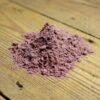
Price range: $140.00 through $610.00
Buy MIMOSA HOSTILIS INNER ROOT BARK Canada
BOTANICAL CLASSIFICATION:
FAMILY: Fabaceae (Leguminosae; Mimosaceae)
GENUS: Mimosa
SPECIES: Mimosa Hostilis (Mimosa tenuiflora)
ORIGIN: Brazil
COMMON NAMES: Jurema, Tepescohuite, Cabrero, Carbonal, Jurema Preta, Calumbi, Black Jeruma, Vinho de Jeruma, Yurema
Mimosa Hostilis Inner Root Bark`
Buy Mimosa Hostilis Inner Root Bark. We offer the best inner root bark of Mimosa Hostilis from a recognized source (Brazil). A company with years of experience harvesting and processing the root bark of Mimosa Hostilis. This is the best quality MIMOSA HOSTILIS INNER ROOT BARK available on the market. We always deliver a freshly harvested batch, not old stock! Our supplier uses sustainable harvesting methods: only one root is harvested from each plant.
However, greedy vendors are willing to kill an entire tree for all its roots. The exemplary logistic system of harvesting and processing small amounts a few times a week allows us to preserve the functional components of the bark well. By removing the filler fibers, the final outcome becomes 30% more concentrated.
Uses of MHRB
Mimosa Hostilis Root Bark Powder (MHRB) is valued worldwide for its traditional, practical, and therapeutic applications. Here are some of the most common uses:
MHRB is widely used as a natural textile dye because of its rich tannins and deep purple-reddish color. It is popular in fabric arts, leatherwork, and cultural crafts.
It is a traditional Medicine. Indigenous cultures in South America have long used MHRB for its healing and spiritual purposes. It is known in herbal medicine for its potential to reduce inflammation and support tissue repair.
Another important use of it is use to produce natural Hair and Cosmetic Products. Sometimes added to shampoos or hair masks due to its strengthening and protective effects.
It is a leguminous tree 5 to 7m tall with a high level of tannins and is a critical forage plant utilized to feed small ruminants in the caatinga during the dry season.
Studies of Inner Root Bark showed potential in healing scar tissue. According to Mexican ethnobotanical sources, the direct application of the dry powdered bark on the lesion was an effective remedy for treating burns and skin wounds.
Mimosa Hostilis Root Bark Powder
The Mimosa Hostilis comes from a tree known locally as black Jurema. Mainly this tree exists in exclusive areas in Brazil and Mexico. This type of tree is famous among local shamans for its entheogenic properties.
| QUANTITY | 1kg, 3kg, 5 kg, 10kg |
|---|---|
| TYPE | Whole, Shredded, Powder |
Be the first to review “Mimosa Hostilis Inner Root Bark”
Related products

Mimosa Hostilis For Sale
Reviews
There are no reviews yet.